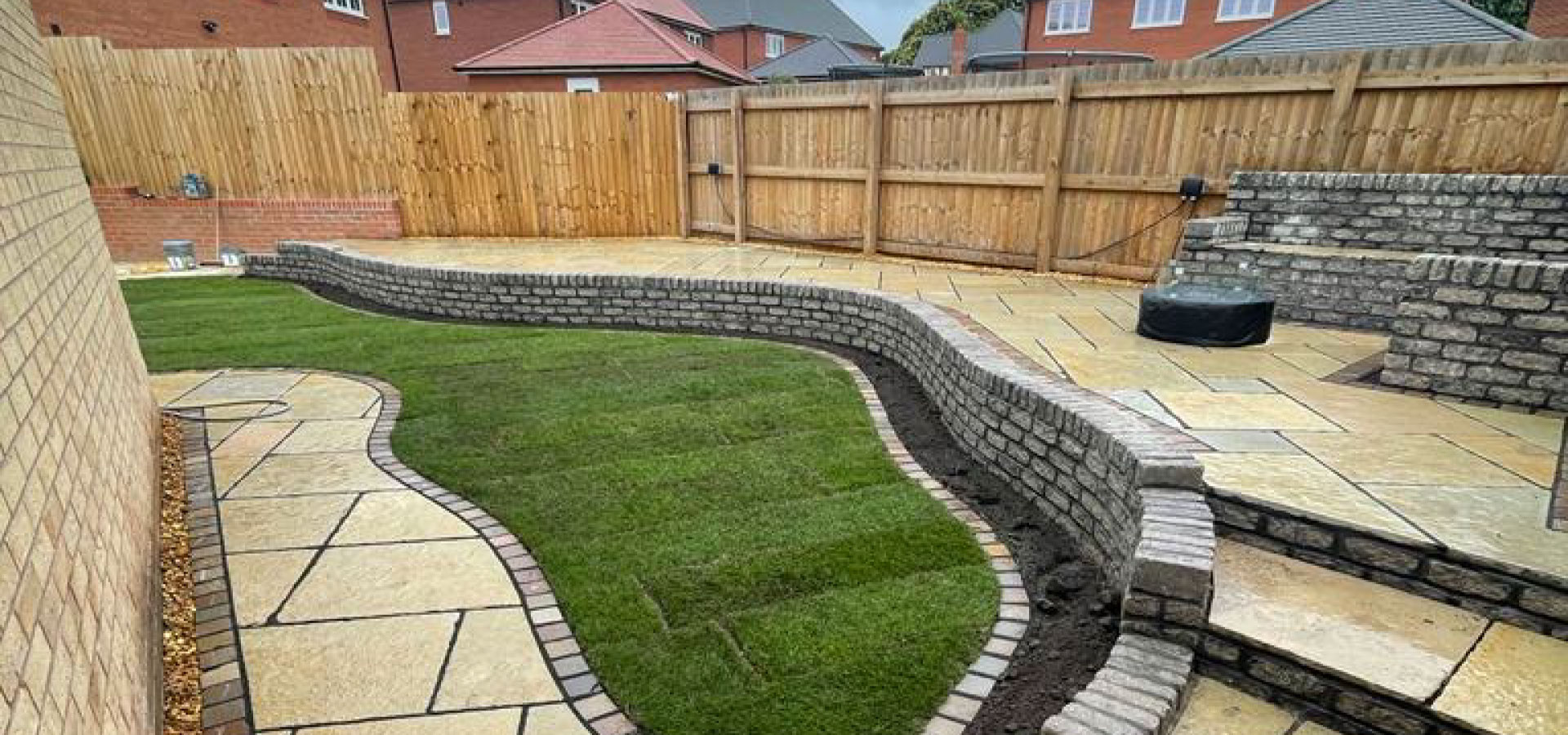
Gardens are increasingly becoming an essential part of modern living, offering a sanctuary where homeowners can unwind, relax, and enjoy nature. As we become more aware of our impact on the environment, it’s essential to choose sustainable options when creating our outdoor spaces. One such choice that has gained popularity in recent years is artificial grass. While many people appreciate the convenience and low maintenance of artificial grass, there is also a growing recognition of its environmental advantages. In this article, we will explore the eco-friendly benefits of artificial grass and how it can contribute to a greener garden experience.
Artificial grass offers a realistic, aesthetically pleasing alternative to traditional turf while requiring little to no maintenance and conserving natural resources. Its lush, green appearance remains consistent throughout the year, ensuring a visually appealing garden even in the harshest weather conditions. In addition, the time and effort saved on mowing, watering, and fertilising can be directed towards other gardening activities or simply enjoying your outdoor oasis.
Choosing the Right Artificial Grass for Your Garden
Selecting the best artificial grass for your garden will help you maximise its environmental benefits while also suiting your unique style and preferences. Here are some factors to consider when choosing artificial grass:
- Quality and appearance: Look for high-quality artificial grass that closely mimics the appearance and feel of natural grass. This will not only enhance your garden’s aesthetics but also contribute to a more comfortable and enjoyable outdoor experience.
- Material: Choose artificial grass made from materials that are environmentally friendly, recyclable, and non-toxic. Some artificial grass products are made from recyclable plastic or polymer materials, reducing waste and ensuring a greener alternative.
- Durability: Opt for durable artificial grass that can withstand harsh weather conditions and heavy foot traffic. A long-lasting artificial lawn will reduce the need for replacement, contributing to a lower overall environmental impact.
- Expert consultation: Consult a professional landscape company to help you select and install the most suitable artificial grass for your garden. Professionals can offer valuable guidance and experience, ensuring an optimal outcome for your project.
The Environmental Advantages of Artificial Grass
Embracing artificial grass in your garden can offer several environmental benefits that contribute to a more sustainable way of living. Let’s examine some of these advantages:
- Water conservation: Artificial grass significantly decreases water consumption by eliminating the need for regular irrigation or watering. This is crucial in areas prone to water restrictions or drought and can lead to substantial cost savings.
- Reduced chemical use: Lawns require the use of fertilisers, pesticides, and herbicides that can be harmful to the environment. Artificial grass eliminates the need for these chemicals, fostering healthier and more eco-friendly outdoor spaces.
- Enhanced drainage: Artificial grass typically features built-in drainage systems that direct water back into the soil rather than pooling on the surface. This helps prevent soil erosion and reduces the strain on local stormwater systems.
- Lower pollution levels: Traditional lawn maintenance involves the use of petrol-powered mowers, which release CO2 emissions into the atmosphere. Artificial grass requires no mowing, thus decreasing air pollution and reducing your carbon footprint.
Incorporating Synthetic Turf into a Sustainable Landscape Design
To optimise the environmental benefits of artificial grass, consider incorporating it into a broader sustainable landscape design. Here are some suggestions:
- Complement with native plants: Intersperse artificial grass areas with plant beds filled with native flora. Native plants usually require less water and maintenance, attracting local wildlife while further reducing your garden’s ecological footprint.
- Utilise permeable paving: When designing pathways or patios, opt for permeable paving materials such as gravel or permeable pavers. These materials allow water to seep through to the soil, preventing run-off and benefiting the ecosystem.
- Sustainable irrigation: For sections of your garden that still require irrigation, incorporate water-efficient irrigation systems such as drip tubes or soaker hoses. These systems target specific plants and zones, reducing water waste.
- Rainwater harvesting: Install rain barrels or rainwater harvesting systems to collect water for garden use. This is a practical and eco-friendly method of irrigating your plants without relying on precious municipal water resources.
Maintenance Tips for Your Artificial Grass Lawn
While artificial grass requires much less maintenance than natural turf, it is essential to follow some basic care guidelines to prolong its lifespan and keep it looking fresh. These tips include:
- Regularly remove debris: Use a rake or leaf blower to clear leaves and debris from your artificial grass to maintain its pristine appearance.
- Rinse occasionally: Periodically rinse your artificial grass with water to remove any dust, dirt, or allergens that may accumulate on the surface.
- Brush the grass: Gently brush the artificial grass fibres in the opposite direction of their alignment to keep them upright and looking natural.
- Address spills promptly: Clean spills and stains quickly to prevent any lasting damage, using a mild detergent if needed.
Enjoy the Eco-Benefits and Low-Maintenance Appeal of Artificial Grass
Artificial grass in Widnes provides homeowners with an opportunity to create beautiful and sustainable gardens, offering a host of environmental benefits. By choosing the appropriate artificial grass type, integrating sustainable landscape practices, and following basic maintenance tips, you can enjoy a visually pleasing and eco-friendly alternative to traditional grass. Embrace a greener outdoor space with Bluebell Landscapes as we guide you on a journey to create the perfect artificial grass for your garden.
continue reading
Related Posts

A beautiful garden can transform your outdoor space into a
Choosing the right artificial grass for your garden can transform
When it comes to choosing between artificial grass and natural