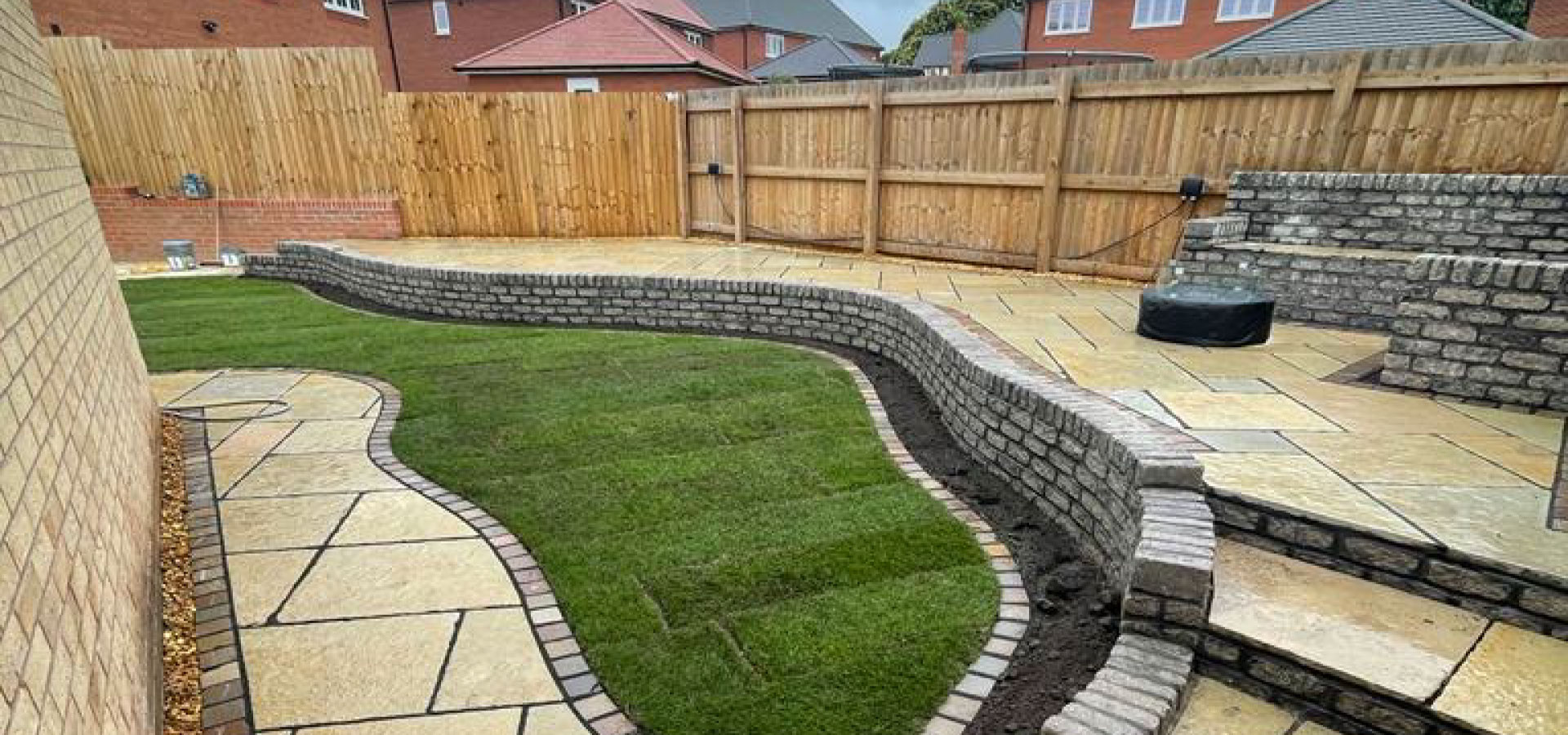
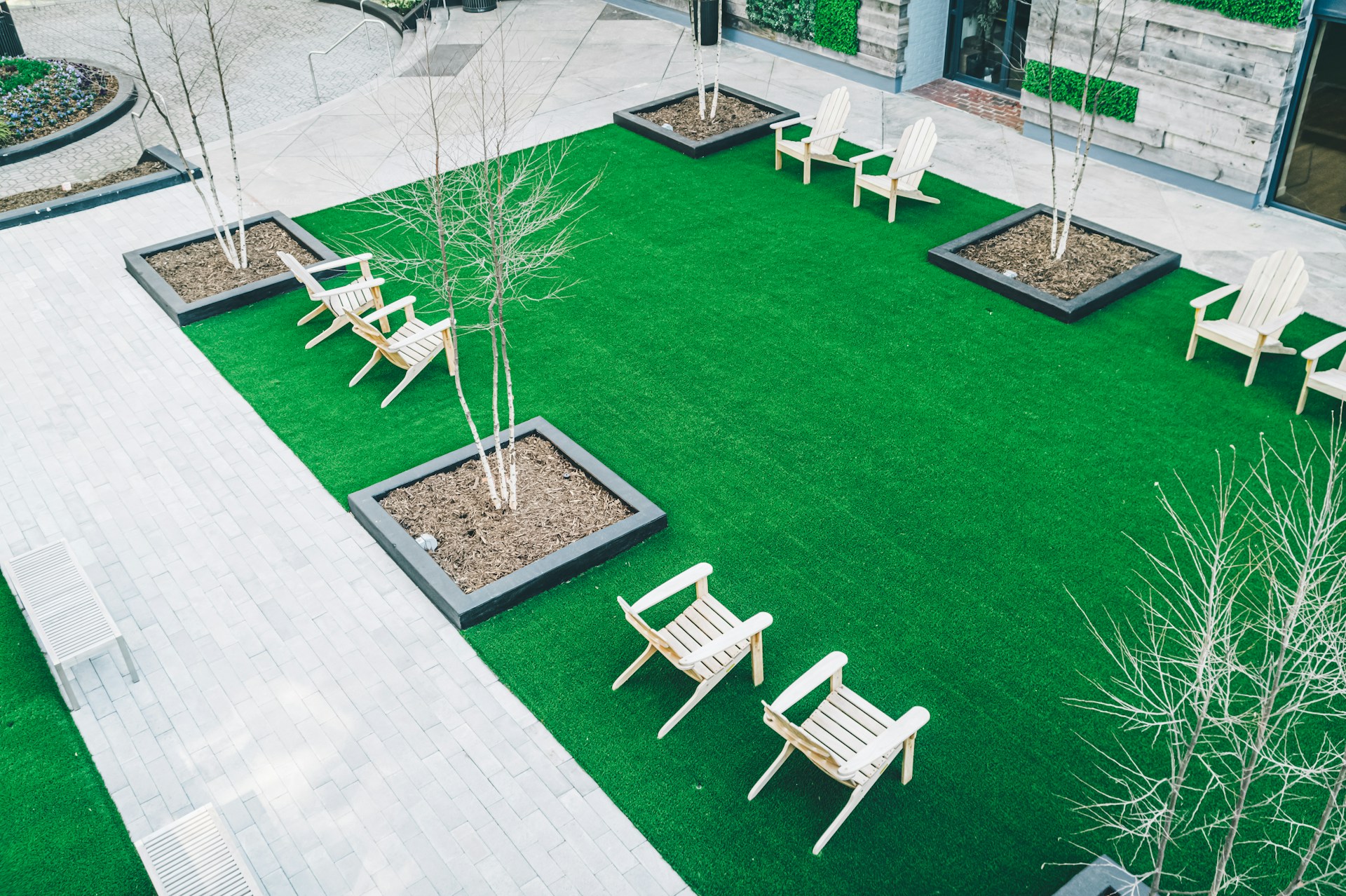
When it comes to choosing between artificial grass and natural grass for your garden, there are many factors to consider. Both options have their unique advantages and challenges, and the best choice often depends on individual needs and preferences. At Bluebell Landscapes, we understand the importance of selecting the right type of grass to create a beautiful and functional outdoor space.
Artificial grass has become increasingly popular in recent years due to its low maintenance requirements and year-round green appearance. It can be a practical solution for those who want a lush, green lawn without the hassle of mowing, watering, and fertilising. However, some people still prefer the look and feel of natural grass, which can offer a more traditional and environmentally friendly option.
In this article, we’ll explore the key differences between artificial grass and natural grass. By examining aspects like cost, environmental impact, performance, and practical uses, you’ll be equipped with the knowledge to make an informed decision for your garden. Whether you prioritise ease of maintenance or the natural benefits of real grass, understanding these aspects will help you choose the best option for your outdoor space.
Cost Comparison: Installation and Maintenance
When considering the costs of artificial grass versus natural grass, it’s important to look at both installation and ongoing maintenance expenses.
- Artificial Grass: The initial cost of installing artificial grass can be quite high. This includes the price of the turf itself, groundwork preparation, and installation. However, once installed, the maintenance costs are minimal. You won’t need to buy lawnmowers, fertilisers, or pesticides. Plus, you save on water bills, since artificial grass doesn’t need watering.
- Natural Grass: Installing natural grass is usually less expensive upfront compared to artificial grass. You can either lay sod or plant grass seeds, both of which are relatively affordable. However, maintaining natural grass can become costly over time. You will need to water the lawn regularly, especially during dry seasons. The cost of lawnmowers, fertilisers, pesticides, and possibly professional lawn care services can add up quickly.
Overall, while the installation cost of artificial grass is higher, it can result in long-term savings due to its low maintenance requirements. Natural grass may be cheaper to install but can incur higher maintenance costs over the years.
Environmental Impact: Sustainability and Water Usage
The environmental impact of your choice between artificial grass and natural grass is another crucial consideration. Each option has different effects on the environment, especially regarding sustainability and water usage.
- Artificial Grass: Artificial grass does not require watering, which makes it an excellent choice for water conservation. This is particularly beneficial in areas prone to drought. However, artificial grass is made from synthetic materials, usually plastics, which are not biodegradable. This can raise concerns about the long-term impact on landfills and the manufacturing process’s carbon footprint.
- Natural Grass: Natural grass offers several environmental benefits. It helps to absorb carbon dioxide and produce oxygen, which contributes to a healthier atmosphere. Additionally, natural grass helps to reduce heat through the evapotranspiration process, cooling the surrounding area. However, maintaining a lush, green lawn can require significant amounts of water, which is not always sustainable, especially in regions with water scarcity.
In terms of sustainability, natural grass has the edge due to its ability to enhance air quality and reduce heat. Nevertheless, artificial grass is better for water conservation, making it a suitable option if water usage is a primary concern. Balancing these environmental factors can help you decide which type of grass is the better choice for your needs.
Performance and Aesthetic Considerations
When choosing between artificial grass and natural grass, performance and aesthetics play a crucial role. Understanding how each option fares in terms of appearance and functionality can help you make a more informed decision.
- Artificial Grass: One of the biggest advantages of artificial grass is its ability to maintain a perfect appearance all year round. It stays green and lush without the need for mowing, watering, or weeding. Artificial grass is also durable and can withstand heavy foot traffic, making it an ideal choice for areas where children play or where there is frequent activity. However, it can sometimes look too uniform and may lack the natural softness of real grass.
- Natural Grass: Natural grass offers an authentic look and feel that many people prefer. It varies in texture and colour, providing a more natural and diverse appearance. However, keeping natural grass looking good requires constant care, which includes regular mowing, watering, fertilising, and pest control. Natural grass can also become muddy and patchy in high-traffic areas or during wet weather, which might affect its performance and visual appeal.
Each type of grass has its own strengths and weaknesses in terms of aesthetics and performance. While artificial grass offers consistent beauty and durability, natural grass provides a more organic and traditional look that can be more pleasing to some homeowners.
Practical Uses and Versatility
The practical uses and versatility of artificial and natural grass can influence your decision, depending on how you plan to use your outdoor space.
- Artificial Grass: Artificial grass is extremely versatile and can be used in various settings. It’s an excellent choice for family gardens, pet areas, and play zones because it is tough and low-maintenance. Artificial grass is also suitable for shaded areas where natural grass may struggle to grow. Additionally, it’s useful for creating unique garden features, such as putting greens or rooftop gardens, where traditional grass might be impractical.
- Natural Grass: Natural grass is ideal for gardens where you want to grow plants, as it can create a more suitable environment for other vegetation. It’s also a good option for those who enjoy gardening and are willing to invest time in lawn care. Natural grass is useful for creating more diverse habitats that can attract wildlife, adding to the biodiversity of your garden. However, it may not be as versatile in areas with poor growing conditions or heavy shade.
Understanding the practical applications of each grass type will help you choose one that fits your lifestyle and garden needs. Whether you seek versatility and low maintenance with artificial grass or the natural beauty and gardening potential of natural grass, both have their own unique practical uses.
Conclusion
Choosing between artificial grass and natural grass involves weighing various factors, from cost and environmental impact to performance and versatility. Both options offer unique benefits that can cater to different needs and preferences. Artificial grass provides a low-maintenance, year-round green solution that is ideal for busy families, pet areas, and spaces with heavy foot traffic. On the other hand, natural grass offers a traditional, environmentally friendly choice that can enhance the natural appeal of your garden and support local wildlife.
When making your decision, consider what aspects are most important to you. If you value a consistently pristine lawn with minimal upkeep, artificial grass might be the better choice. However, if you enjoy gardening and are prepared to invest time and effort into maintaining a lush, living landscape, natural grass could be more rewarding.
At Bluebell Landscapes, we are here to help you create the perfect garden that suits your lifestyle and aesthetic preferences. If you’re ready to transform your outdoor space, reach out to us for expert advice and professional garden services in Liverpool. Let us guide you in making the best choice for your garden. Contact Bluebell Landscapes today to get started!
continue reading
Related Posts
Choosing the right artificial grass for your garden can transform
Choosing the perfect artificial grass for your family garden is
Opting for artificial grass in small gardens presents a practical