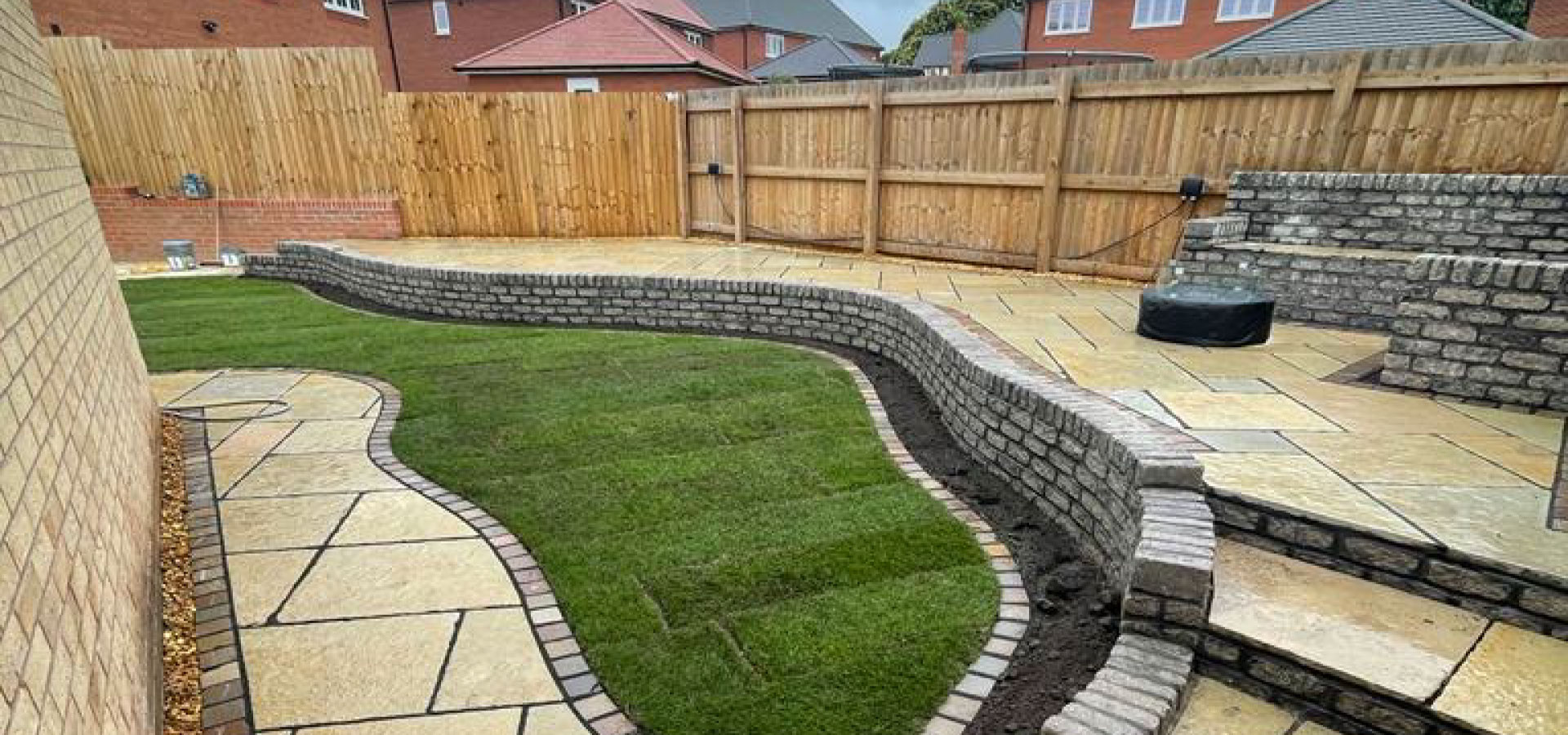
Choosing the right artificial grass for your garden can transform your outdoor space into a lush green haven. At Bluebell Landscapes, we understand that the choice can be overwhelming with the various types and styles available on the market. Each type of artificial grass offers different benefits, and understanding these can help you make an informed decision tailored to your needs.
Artificial grass is an excellent option for those looking to enjoy the look and feel of a green lawn without the extensive maintenance required by natural grass. It’s ideal for gardens that experience heavy foot traffic, areas where natural grass struggles to grow, or for homeowners looking to save time on gardening. Additionally, artificial grass remains green and lush throughout the year, regardless of weather conditions, ensuring your garden looks pristine at all times.
In this guide, we aim to provide you with comprehensive information on the different types of artificial grass, factors to consider when making your selection, installation tips, and maintenance advice. By the end, you’ll have all the knowledge you need to choose, install, and care for the perfect artificial lawn, enhancing both the functionality and beauty of your garden space.
Understanding the Different Types of Artificial Grass
Artificial grass comes in various types, each suited to different needs and uses. It’s important to understand these to make an informed decision. The most common types include:
- Nylon: This type is incredibly durable and can withstand heavy foot traffic, making it perfect for areas where children play or for places with frequent gatherings. Nylon grass maintains its shape and colour well, even under extreme weather conditions.
- Polypropylene: This is a budget-friendly option that works well for decorative purposes. However, it’s less durable than nylon, so it’s best for areas with minimal foot traffic. Polypropylene grass is soft to touch, giving a natural look and feel to your garden.
- Polyethylene: Combining softness with durability, polyethylene is a popular choice for residential gardens. It looks very realistic and feels comfortable underfoot. Polyethylene grass is also UV-resistant, ensuring it remains vibrant and doesn’t fade over time.
Understanding these types helps you pick the one that suits your garden’s needs, ensuring you enjoy a beautiful, low-maintenance lawn all year round.
Key Factors to Consider When Selecting Artificial Grass
Selecting the best artificial grass involves considering various factors that affect its performance and aesthetics. Here are some key things to keep in mind:
- Foot Traffic: Think about how much the area will be used. For high-traffic areas, nylon grass is the best due to its durability. Polypropylene may be sufficient for decorative or low-traffic spots.
- Pile Height: This refers to the length of the blades. Shorter piles (around 20-30mm) are ideal for heavy-use areas as they are more durable. Longer piles (around 30-40mm) provide a lush, more natural appearance.
- Backing Material: A quality backing ensures the grass lays flat and stays in place. Look for latex or polyurethane backing, which offers flexibility and strength.
- Colour and Texture: Artificial grass comes in various shades of green, and some even include a mix of colours to mimic natural grass. Consider the look you want to achieve. Also, check the texture to ensure it feels right underfoot.
- Drainage: Good drainage prevents water pooling after rain. Ensure the grass has efficient drainage holes to keep your lawn dry and usable.
By considering these factors, you will choose artificial grass that not only meets your visual expectations but also performs well in your garden environment.
Installation Tips for a Flawless Artificial Lawn
Installing artificial grass properly ensures it looks natural and lasts for many years. Here are some key steps for a successful installation:
- Prepare the Ground: Start by removing any existing grass, weeds, and debris. Dig to a depth of around 10 centimetres to accommodate the base materials. Ensure the ground is level.
- Add a Base Layer: Spread a layer of crushed stone or gravel to provide stability and good drainage. Compact this layer using a vibrating plate or roller.
- Lay a Weed Barrier: A weed barrier fabric helps prevent weeds from growing through the artificial grass. Spread this fabric evenly across the base layer.
- Roll Out the Grass: Unroll the artificial grass and allow it to settle for a few hours. This helps to remove any creases.
- Trim and Secure the Edges: Cut the grass to fit the shape of your garden using a sharp knife. Secure the edges with landscape pins or adhesive to prevent it from moving.
- Brush and Sand Infill: Brush the grass fibres upwards to give it a natural look. Apply a layer of silica sand infill to help the grass stand up and add weight.
Following these steps results in a neat, long-lasting artificial lawn that enhances the beauty of your garden.
Maintenance Tips to Keep Your Artificial Grass Looking Great
Maintaining your artificial grass keeps it looking fresh and extends its lifespan. Here are some simple maintenance tips:
- Regular Brushing: Brush the grass regularly to keep the fibres upright and to remove debris. Use a stiff brush to prevent flattening.
- Remove Leaves and Debris: Use a leaf blower or broom to remove leaves and other debris. This prevents build-up that can affect drainage and appearance.
- Clean Spills Promptly: For any spills, rinse the area with water promptly to prevent staining. For tougher spots, a mix of water and mild detergent works well.
- Weed Prevention: Even with a weed barrier, occasional weeds may appear around the edges. Remove these promptly to keep your lawn tidy.
- Rinse to Remove Dust: Occasionally rinse the grass with water to remove dust and keep it clean, especially after dry periods.
- Check and Fix Edges: Periodically check the edges to ensure they remain secure and fix any loose areas to maintain the overall integrity of the lawn.
By following these tips, your artificial grass will remain a beautiful, low-maintenance feature of your garden for years to come.
Conclusion
Choosing, installing, and maintaining artificial grass can significantly enhance the beauty and functionality of your garden. With various types available, it’s important to select the one that best suits your needs. Proper installation ensures a natural look and longevity, while regular maintenance keeps your lawn looking pristine.
At Bluebell Landscapes, we are dedicated to helping you achieve the perfect garden landscape. Our expert team is here to offer advice and support for all your artificial grass needs. Contact us today to transform your garden into a stunning, low-maintenance paradise.
continue reading
Related Posts
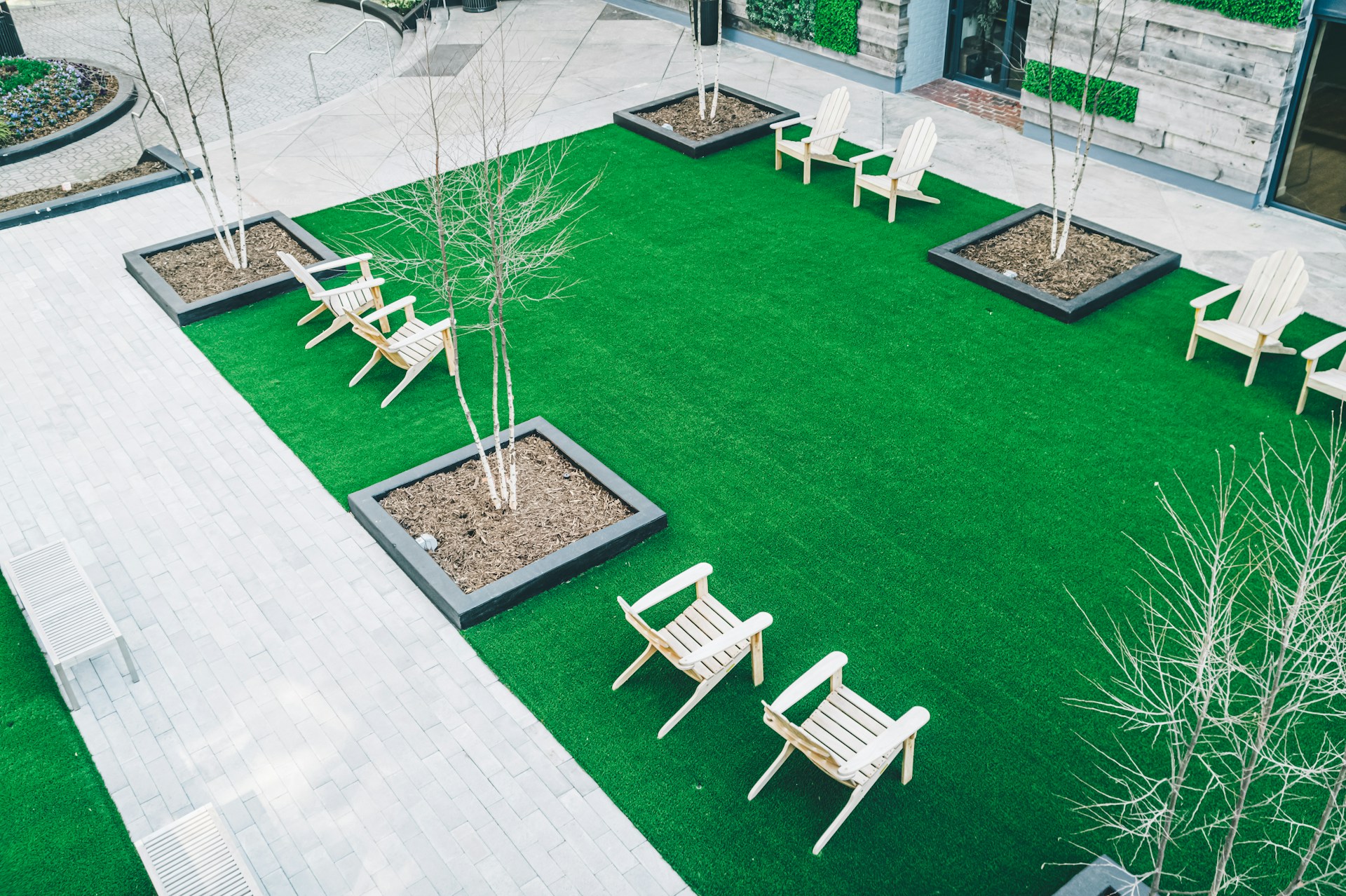
When it comes to choosing between artificial grass and natural
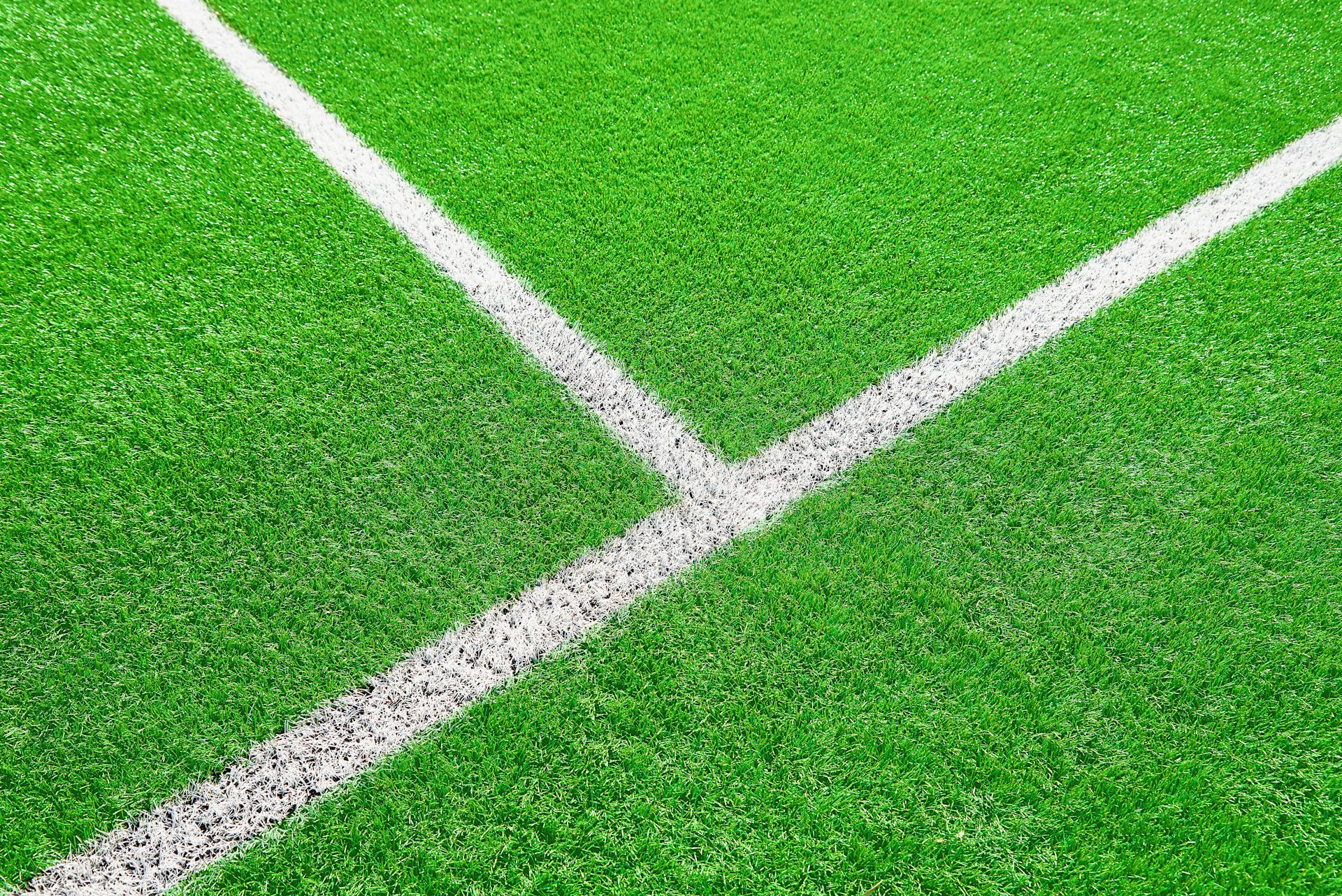
Choosing the perfect artificial grass for your family garden is
Opting for artificial grass in small gardens presents a practical