Choosing the right material for your driveway is not just about enhancing the curb appeal of your home; it’s about functionality, durability, and adapting to the specific needs of your environment. As experts in garden care and landscaping services, we have deep insights into how different materials can dramatically affect the overall efficiency and aesthetic of your property. In this article, we’re diving into a comprehensive exploration of the myriad driveway materials available to you, unravelling their strengths and weaknesses, and guiding you on how to select the perfect option based on your geographical climate.
The diverse range of materials includes concrete, asphalt, resin-bound, gravel, and block paving, each offering distinct advantages and aspects to consider. From the resilience and ease of maintenance of concrete to the natural, permeable benefits of gravel, the options are varied. We will discuss the crucial factors that should influence your decision, such as durability, maintenance requirements, aesthetic preference, and cost-effectiveness. This guide is designed to arm you with the necessary knowledge to make an informed decision that aligns with both your practical needs and personal style.
Understanding the Different Types of Driveway Materials
When we consider upgrading or installing a new driveway, the array of materials available can be overwhelming. Each type offers specific benefits and comes with its own set of characteristics. Firstly, concrete driveways are highly favoured for their longevity and minimal maintenance. They provide a neat, uniform look that can withstand heavy loads, making them ideal for areas with frequent vehicle movement.
Moving on, asphalt is another robust material popular for its durability and cost-effectiveness. It is particularly adept at enduring colder climates due to its flexibility, which reduces the risk of cracking under freeze-thaw conditions. For those looking for an environmentally-friendly option, gravel is an excellent choice, as it allows for water permeability, reducing runoff and enhancing your garden’s drainage system.
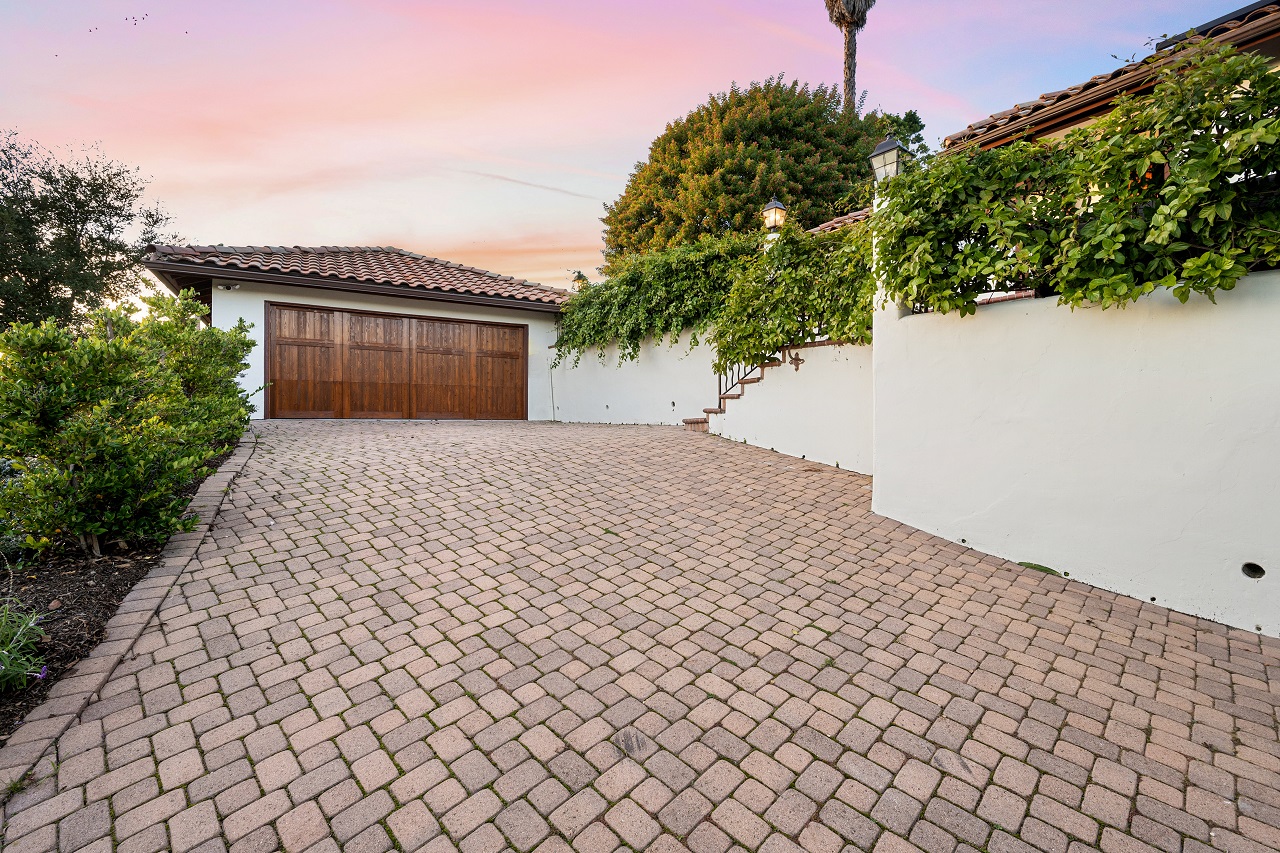
Lastly, block paving and resin-bound surfaces offer more decorative alternatives while still providing strength and durability. Block paving consists of individual bricks that can be laid in various patterns, allowing for customisation. Resin-bound driveways blend natural aggregates with resin, creating a smooth, accessible finish that comes in a variety of colours and textures.
Pros and Cons of Popular Driveway Options
Each driveway material comes with specific advantages and drawbacks. Here, we analyse these to help you make an informed decision:
1. Concrete:
– Pro: It’s incredibly durable and offers a clean, consistent appearance. Concrete driveways can last up to 30 years when properly maintained.
– Con: Concrete can be susceptible to staining and might require periodic sealing to maintain its appearance.
2. Asphalt:
– Pro: Asphalt is generally cheaper to install than concrete and can be quickly laid down, reducing labor costs.
– Con: It needs periodic resealing and can soften in high temperatures, which may lead to deformation under heavy loads.
3. Gravel:
– Pro: Gravel is the most economical of all driveway materials and is quick to install. It also provides excellent drainage.
– Con: Gravel can shift over time and might require regular levelling and topping up. It also does not suit high-traffic areas as it can scatter.
4. Block Paving:
– Pro: Offers a high degree of customisation in terms of patterns and colours. Block paving can be easily repaired by replacing individual blocks.
– Con: Weeding between blocks can be an issue unless properly sealed, and it may require regular cleaning to maintain its aesthetic appeal.
5. Resin-Bound:
– Pro: Provides a smooth, accessible surface that is ideal for wheelchair users or households with pushchairs. It is also permeable, which helps to manage rainwater.
– Con: Resin-bound surfaces can be initially more expensive than other options and require professional installation to ensure proper setting and longevity.
How to Choose the Right Driveway Material for Your Climate
Selecting the right driveway material goes beyond aesthetics and budget; it also critically involves considering the local climate where your home is located. Different materials react differently under various weather conditions, affecting their longevity and performance. For example, in areas with heavy rainfall, water-permeable materials like resin-bound or gravel are advisable as they allow for better water drainage and reduce surface water accumulation which can lead to flooding or damage.
For colder regions experiencing frequent frost and snow, materials such as asphalt are often preferred over concrete. Asphalt’s flexibility helps it resist cracking under freeze-thaw cycles, whereas concrete can be more prone to cracking if not sealed correctly. In contrast, in hotter climates, lighter-coloured materials can be beneficial as they reflect sunlight and maintain a cooler surface, making concrete or specially treated light-coloured resin-bound driveways a wise choice.
Maintenance Tips for Keeping Your Driveway in Top Shape
Maintaining your driveway is crucial for ensuring its longevity, regardless of the material you choose. Regular maintenance not only keeps your driveway looking great but also prevents the need for expensive repairs in the future. Here are some practical tips to help you keep your driveway in optimal condition:
- Regular Cleaning: Whatever your driveway material, regular cleaning is vital. For gravel, keep it levelled and replenish layers as needed. For paved surfaces, washing down your driveway with a hose and a mild detergent will prevent stains and buildup of debris.
- Prompt Repairs: Address minor cracks and damage immediately to prevent them from worsening. Sealing cracks in asphalt and concrete as soon as they appear can drastically prolong the life of your driveway.
- Sealcoating: For asphalt driveways, periodic sealcoating can protect against weather damage and extend its life. Resin-bound surfaces and concrete can also benefit from sealers to protect against UV rays and stains.
- Avoid Chemicals: Keep harsh chemicals, including de-icing salts, away from your driveway. These can erode surfaces over time and cause pitting in concrete. Use sand for traction in winter if necessary.
Conclusion
Selecting the right driveway pavers for your home involves a blend of aesthetic preference, budget considerations, and climate suitability. Understanding the unique properties and maintenance requirements of each material enables us to make informed decisions tailored to our specific needs. Regular maintenance will further enhance your driveway’s durability and appearance, preventing costly future repairs.
If you’re considering installing a new driveway or upgrading your current one, count on our expertise to ensure it’s done right. At Bluebell Landscapes, we’re dedicated to providing top-notch garden care and landscaping services that cater to your unique needs. Reach out today, and let us help you create a driveway that’s as practical as it is stylish.
continue reading
Related Posts
The driveway is often the first aspect of your property

Your driveway and entrance are often the first impressions visitors

Your driveway is often the first thing visitors see as