Fencing is more than just a boundary for your property; it’s a significant investment that adds both security and aesthetic value to your home. Ensuring it remains in prime condition not only enhances your property’s appearance but also prolongs its functionality and durability. With various materials available, from classic wood to modern vinyl or robust metal, each type requires specific care and maintenance practices. Our approach is tailored to help you understand these materials better and apply practical maintenance strategies effectively.
At our garden care and landscaping service, we believe that regular upkeep is crucial to maintaining the strength and beauty of your fence. Whether it’s a charming picket fence or a sturdy privacy screen, understanding how to clean, repair, and protect your fencing can save you time and money in the long run as well as avoid the hassle of frequent replacements. Join us as we guide you through essential maintenance steps that will keep your fencing looking great and lasting longer.
Understanding Different Types of Fencing Materials
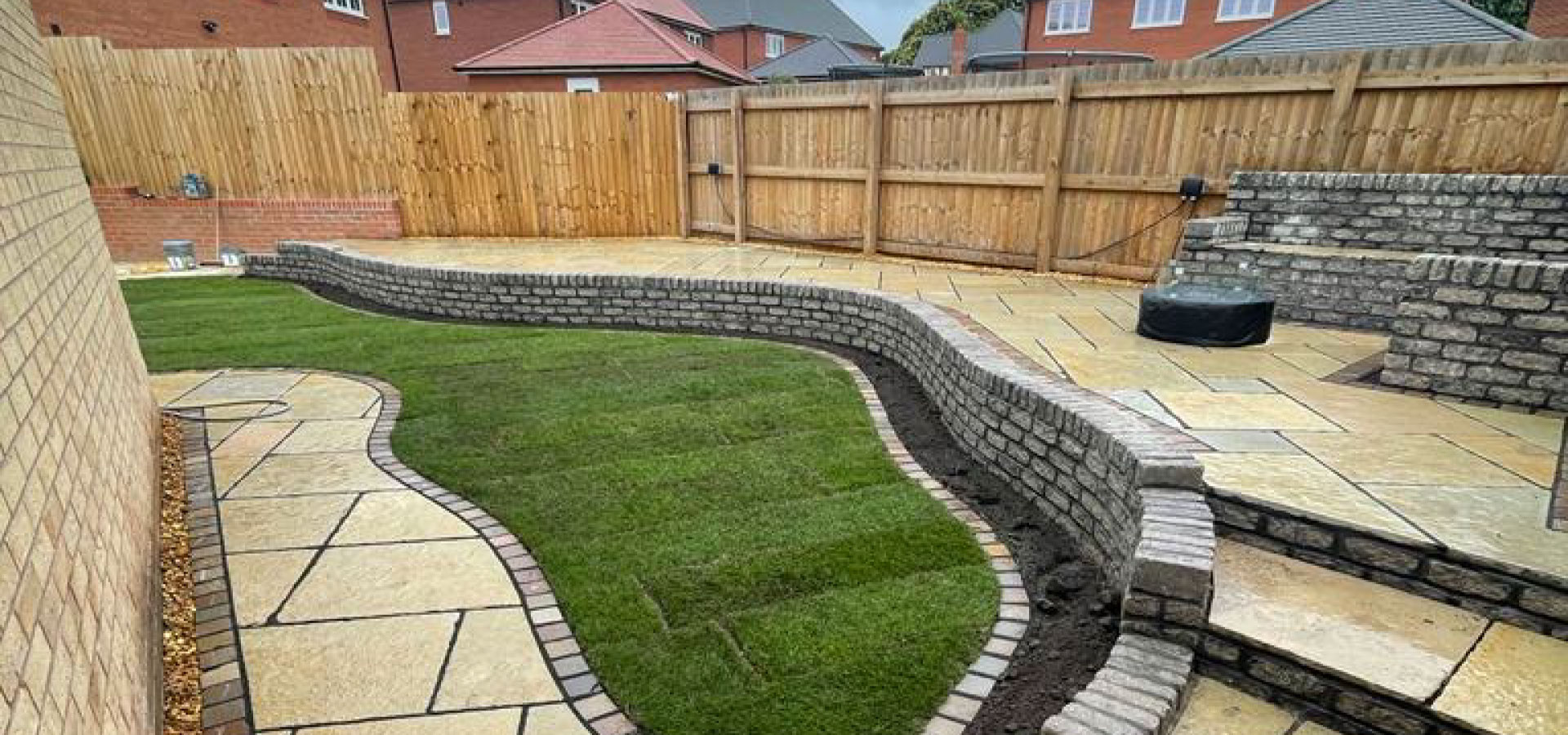
Navigating through the myriad options of fencing materials can be quite daunting. We at Bluebell Landscapes are here to guide you through various types, each offering unique benefits that may be just what your garden needs. Wood is a popular choice, beloved for its classic look and natural feel. It fits seamlessly into most garden aesthetics and can be treated or painted to extend its life and match any style. Metal fences, including options like wrought iron or aluminium, are known for their durability and high security. They provide a robust barrier without obstructing the view if designed with narrower bars.
Another excellent option is vinyl, which is becoming increasingly prominent due to its durability and low maintenance. It resists moisture, insects, and fading from sunlight, making it ideal for many gardens. For those looking for more eco-friendly options, bamboo and composite materials offer sustainable benefits along with aesthetic appeal. Each material comes with specific maintenance needs and cost implications, so understanding these will help you make the best decision for your needs and budget.
Routine Cleaning and Care for Your Fence
Maintaining your fence’s appearance and longevity involves routine cleaning and care, which can significantly differ depending on the material. We recommend a general clean at least twice a year to keep your fencing looking its best. For wooden fences, start by gently brushing to remove moss or debris, then wash with a mixture of water and mild detergent; finish by rinsing off with a hose. This method prevents the wood from absorbing too much moisture, which can lead to rot.
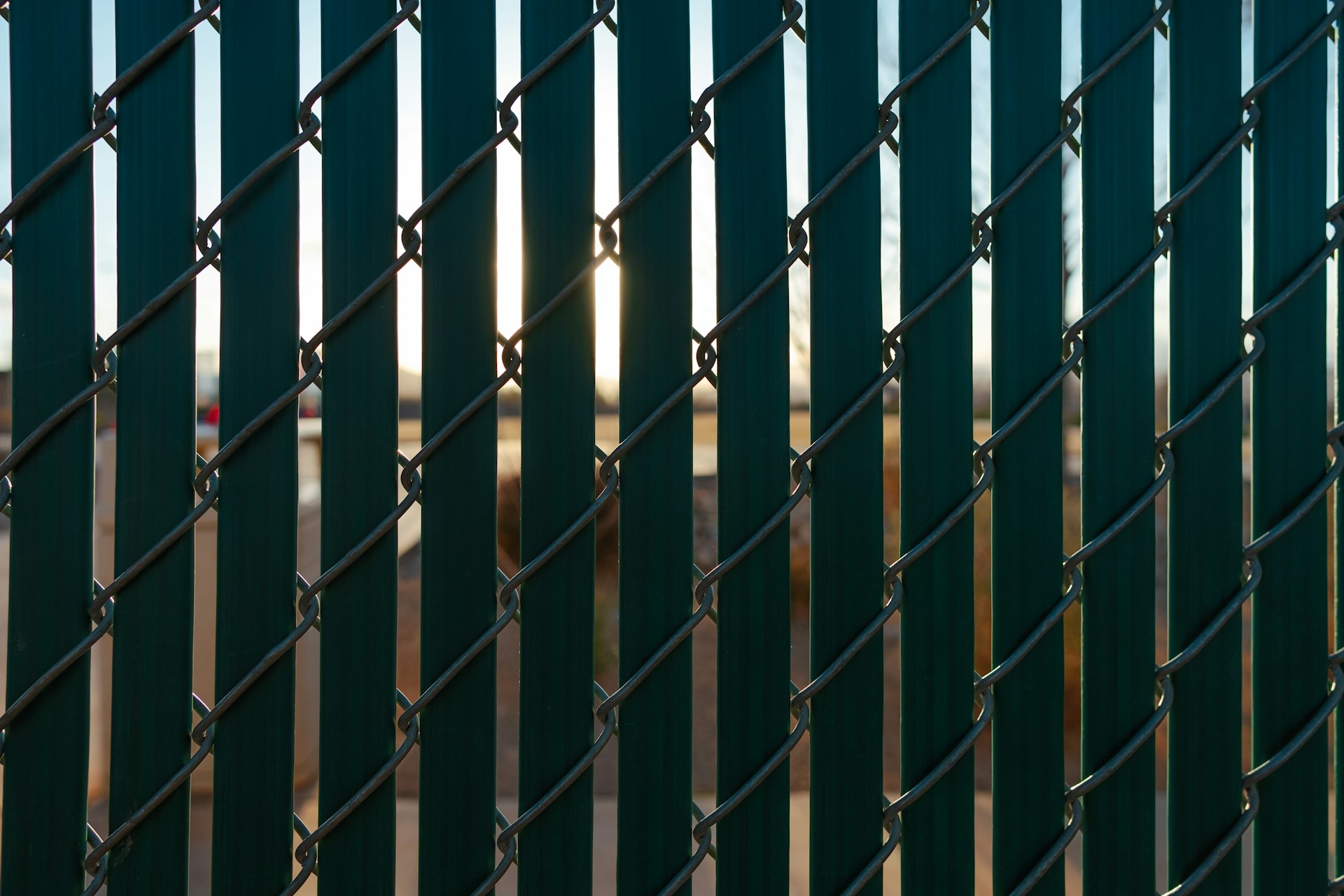
Vinyl fences are notably easier to maintain—usually, a simple hose down will do, but for tougher stains, a soft cloth and mild soapy water will suffice. Metal fences, particularly iron, may require rust removal. Treat any spots with a rust inhibitor and follow up by applying a metal varnish for extra protection. Consistently maintaining your fence not only keeps it looking great but also extends its lifespan, ensuring it continues to serve its purpose of security and privacy in your garden.
Necessary Repairs: Identifying and Fixing Common Issues
In the lifespan of any fence, repairs are often inevitable. Identifying common issues early can save us much time and expense down the road. For wooden fences, look out for signs of rot or insect damage, typically around the base where moisture can collect. These areas might require partial replacement of boards or posts. For metal fences, rust is the usual culprit. Tending to rust spots promptly by sanding them down and applying a rust-converting primer can prevent further damage.
Another common issue across all types of fencing is loose or wobbly posts. This can compromise the structural integrity of the fence and should be addressed quickly. We often find that stabilising the posts with additional concrete or replacing the damaged post altogether is necessary. Regular inspections can help catch these issues early, and addressing them promptly will keep your fence strong and functional, maintaining the security and beauty of your property.
Weatherproofing and Protective Treatments for Extended Life
To extend the life of your fencing, applying weatherproofing and protective treatments is crucial. For wooden fences, we use a high-quality sealant which acts as a barrier against moisture— the primary cause of rot and decay. This treatment should ideally be reapplied every two to three years, depending on the weather conditions in your area. It is also wise to consider staining wooden fences, which not only enhances their appearance but also adds an extra layer of protection against the elements.
For metal fences, particularly those made of iron or steel, applying a weatherproof coating can help prevent rust and corrosion caused by rain and humidity. Vinyl and composite fences typically require less intensive care, but applying a UV-resistant sealant can help prevent fading and maintain the original colour and brightness of the material. By taking these preventative measures, we ensure that your fencing not only stands up to the elements but continues to enhance the beauty of your garden for years to come.
In Conclusion
Maintaining and caring for your garden fencing involves more than just an occasional clean. By understanding the materials, performing routine care, addressing repairs swiftly, and applying necessary protective treatments, we can vastly prolong the life and appearance of your garden boundaries. Each step is crucial in ensuring that your fence remains both beautiful and functional, providing security and privacy while complementing the overall aesthetic of your outdoor space.
At Bluebell Landscapes, we understand the importance of having a well-maintained fence as an integral part of your garden’s landscape. This attention to detail not only enhances your immediate outdoor environment but also contributes to the enduring value and appeal of your property. Should you need further guidance or professional services to manage your Widnes fencing needs, feel free to contact us. We’re here to help you enjoy a beautiful, secure, and private garden all year round.
continue reading
Related Posts
When it comes to securing homes, people often consider alarms
Your garden should serve as a private and serene haven
Creating a sense of privacy, safety, and coherence in your